Property developing can be highly profitable if you know what you’re doing. Unfortunately, most people just don’t.
If you enter the industry, your creativity and tenacity will be tested many times in every project. There’s a saying: “You don’t know what you don’t know.” No matter how much you read or study, property development has pitfalls that are often learned only through direct, hands-on experience.
Here are five things I didn’t know then, but have since learned. Maybe you can learn from my experience.
1. Bushfires
Breaking into newly released land often means building around trees. Keeping mature trees can help retain the value and appeal of the land, but it also means considering bushfire exposure and falling branches.
You may need higher-rated fire-resistant materials, hydrants, an escape plan listed with the property title, and other bushfire-specific measures. When you reach presales, include those requirements in your marketing and ensure future owners understand the legislation affecting the property.
2. Contours
I know people who have bought development sites based only on real-estate photographs. Photos are no reliable indication of the slope and contours of a block.
Get a site survey. New developers can blow their construction budget after discovering difficult contours or a steeper slope than expected. A survey is an upfront cost, but it can prevent a mistake worth hundreds of thousands of dollars.
3. Flood overlays
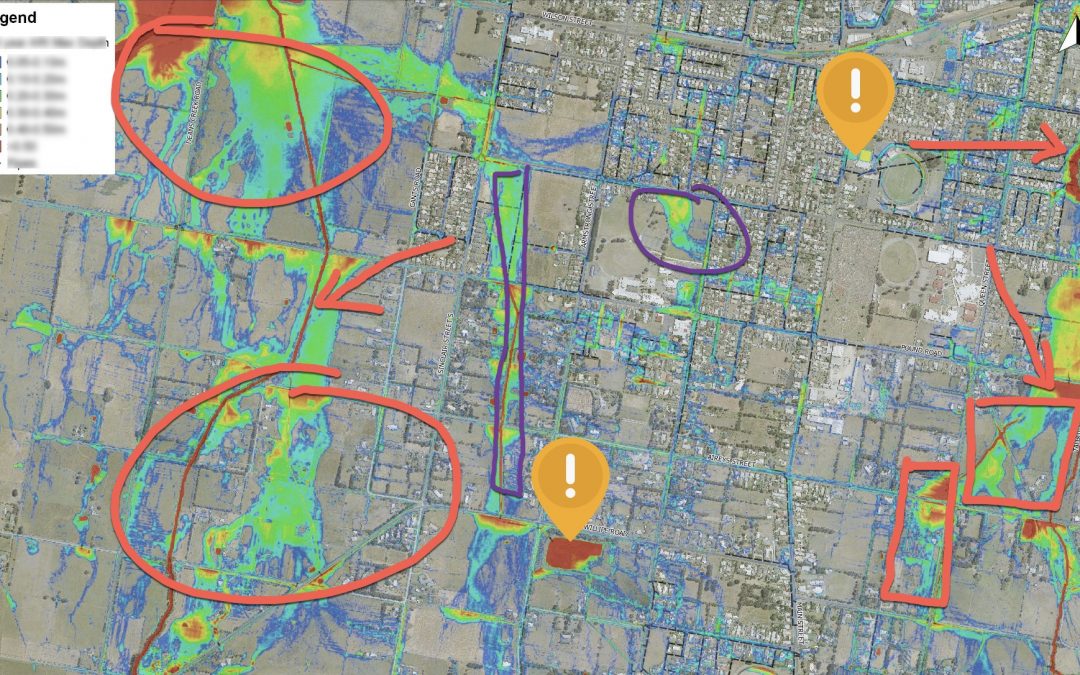
This should be part of basic due diligence, but many people forget to ask council about flood overlays. A flood designation can severely restrict what you can build.
Hydraulic engineers can map flood conditions and advise on cost-effective responses. In many cases, I prefer to move on: the extra time and money may be better directed to a more straightforward project. The point is to understand the constraint before committing.
4. Flora and fauna
A few bad examples have given developers a poor environmental reputation, but most developers I know want to protect the environment without creating an unmanageable project.
A wildlife spotter can identify protected flora, nesting animals or required wildlife corridors. Most sites will not contain a critical constraint, but finding one during earthworks can lead to costly delays and a halt-work notice. Be informed rather than surprised.
5. The right experts for the job
Your team of experts can make or break your project. One developer described his approach as “hire fast and fire faster”—there is no time to keep someone who is not up to the job.
Three things help you choose the right consultant:
- Research the consultant and the kinds of projects they have completed.
- Speak with their clients and ask how satisfied they were.
- Explain exactly what “right” looks like for your project; consultants cannot read your mind.
Some consultants need clearer direction before they deliver what you need. Training a good consultant with detailed examples can be a worthwhile investment that saves time and money across many projects.